Diwali, yoga and the stories we've inherited – and perhaps need to let go.
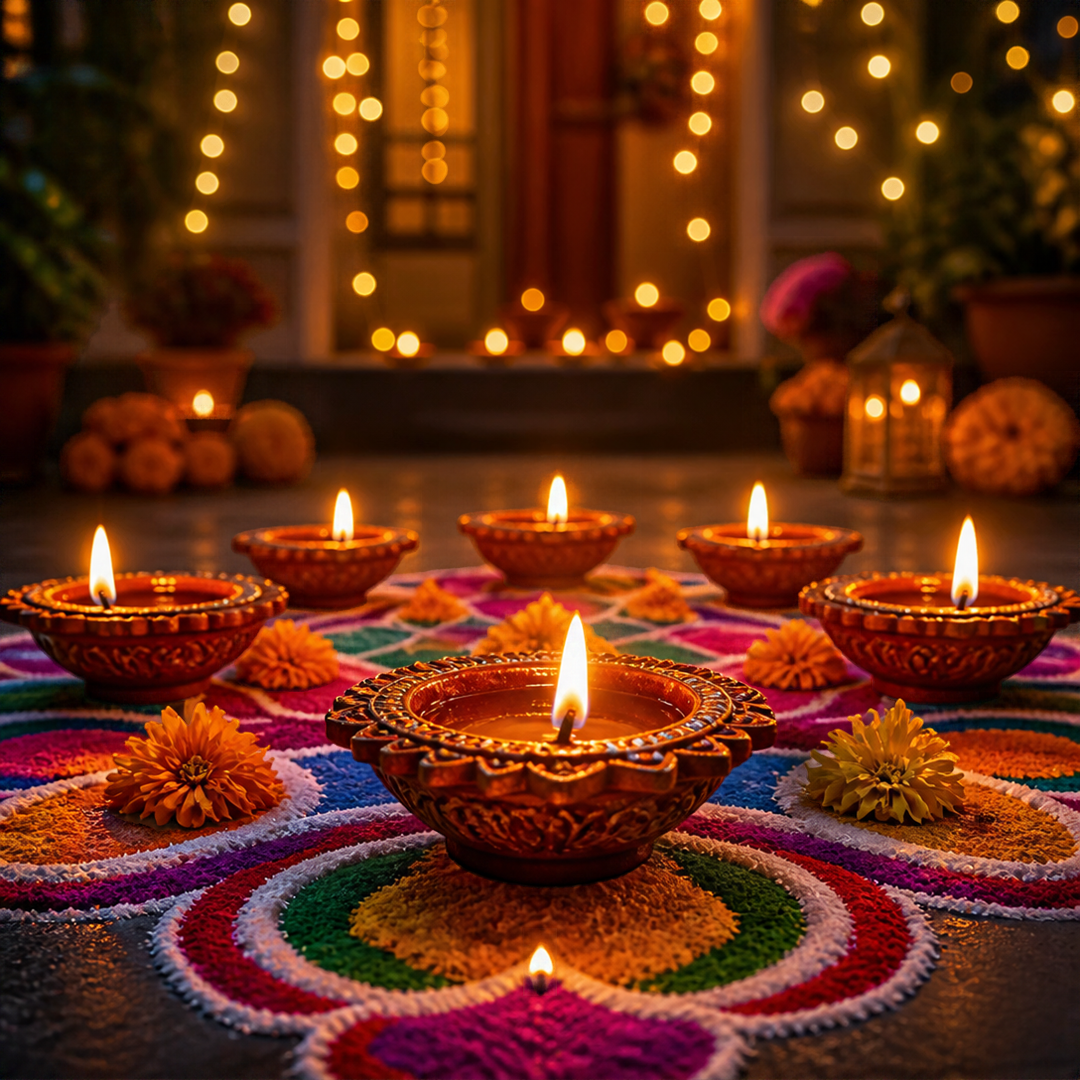
It's November, the evenings are drawing in across the Northern Hemisphere, and it's time to light a few candles and bring some warmth into the darkness. It's also Diwali: a time of light, celebration and, for many, the story of coming home.
And talking of coming home, I had a rather emphatic “Wait... What.. WHAT?!” moment recently when I heard a debate on BBC Radio 4's Woman's Hour about whether yoga should become an Olympic sport.

Now, there's a thought! I like a bit of healthy competition as much as the next person, but yoga in the Olympics? WTF?!
What's next, competitive meditation? A 100-metre mindfulness sprint? Deepest savasana? Fiercest Warrior II?
Joking aside, it genuinely irritated me.
And the more I thought about it, the more I realised my reaction wasn't really about the Olympics. It touched on something deeper:
How an ancient tradition, rooted in Indian philosophy and Hindu culture, has been interpreted, repackaged and sometimes stripped of its wider meaning as it has travelled into the Western world.
Don't get me wrong. I love that yoga has become so popular and accessible. I teach it, after all! But yoga, at its heart, is a practice of self-exploration and integration - so much more than a collection of postures (asana) to perfect, calories to burn or poses to score.
The physical practice is just one part of a much richer tradition, encompassing philosophy, ethics, breath, meditation and the exploration of consciousness and our relationship with ourselves. Let me say that again:
A relationship with ourselves: A conscious embodiment!
I find it curious that we embrace the bits that fit neatly into our modern lifestyles while sometimes knowing so little about the culture and wisdom from which they emerged.
And perhaps my reaction was so strong because this is personal.
To be or not to be: Feeling at home
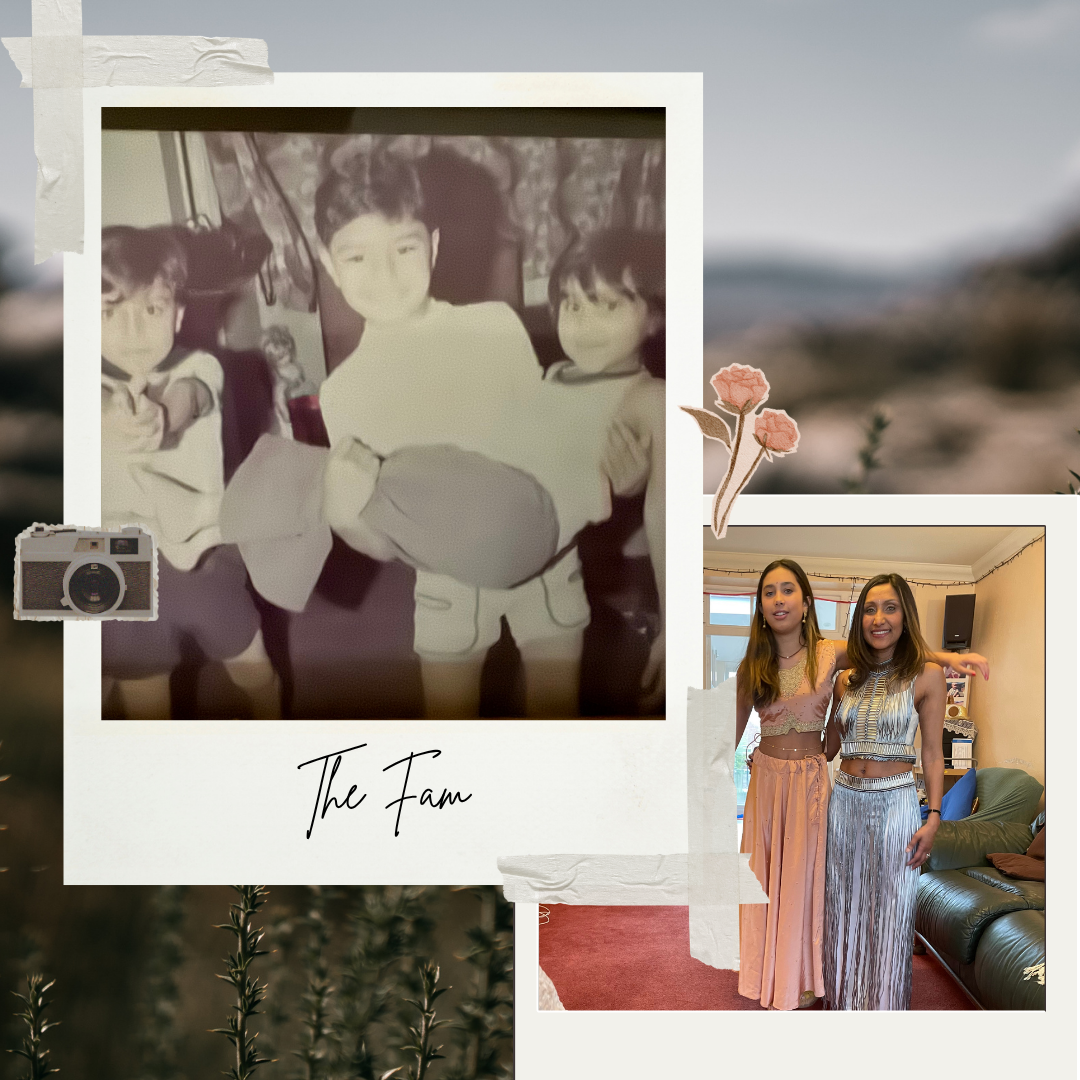
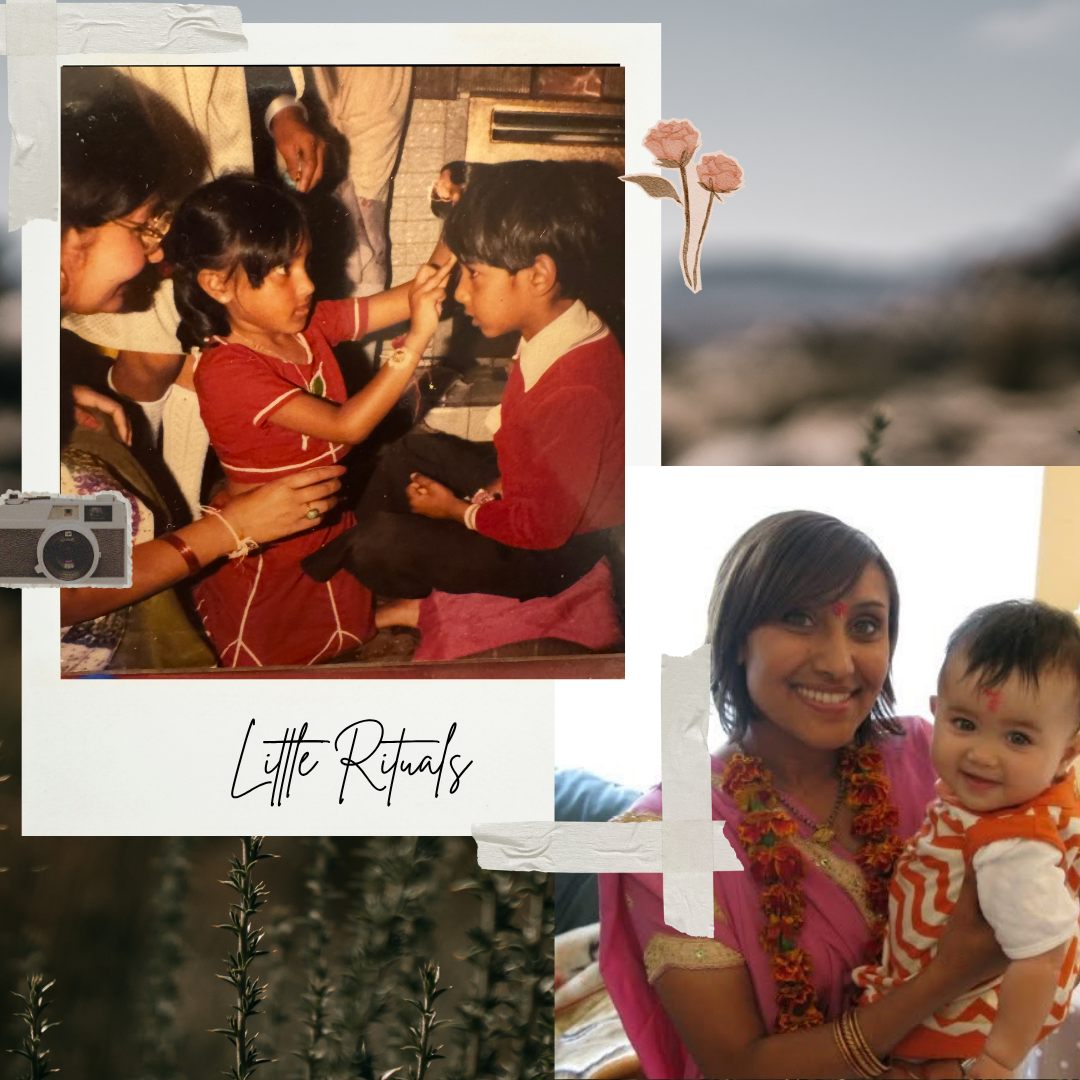
Growing up with Indian heritage in Britain, I didn't always feel particularly proud of that part of myself. In fact, if I'm honest, there was a sadness in it.
I wanted to fit in and belong, but there were plenty of subtle and not-so-subtle, sometimes frightening, ways in which I was made to feel different, and often less than.
Over time, I learned to adapt and assimilate. Somewhere along the way, I began to see parts of my own heritage through a lens that didn't always value them.
Looking back, I wonder how much of myself I quietly edited to fit in, and how much came from living in a society where some cultures, histories and ways of seeing the world were given greater status than others. History is full of examples of how the West has rewritten narratives to establish and maintain power. That's another story, though, and one I know author and friend, Dr Leandra Brady-Walker, is bravely unravelling in her upcoming book.
As kids, are we aware?
Growing up, we're not always conscious of how these messages shape us.
We learn whose knowledge is valued, whose traditions are celebrated and whose need explaining or justifying. Before we know it, we can find ourselves looking at our own culture through someone else's eyes – and those eyes aren't always kind.
Sometimes they carry their own assumptions, judgements and agendas about who gets to define what matters.
Between Two Worlds:
There's something quite sad about that realisation.
How much of what I felt growing up was actually mine,
How much had I absorbed from the world around me?
How much had I unconsciously edited myself to fit someone else's idea of who I should be?
And if I'm honest, I often didn't feel at home, particularly in my own skin.
Even when I went to India, it didn't automatically feel like home either. The culture was different, and I found myself somewhere between two worlds.
This is something I want to explore more, particularly how history, power and cultural narratives shape our sense of identity. But for now, I'm interested in something closer to home:
👉 How easily we can inherit other people's judgements and mistake them for our own.
I'm not suggesting traditions should be frozen in time, or that we shouldn't question them. Far from it.
Cultures evolve, ideas travel and sharing is a wonderful thing. But surely there's a difference between sharing something and forgetting where it came from?
Between adapting and appropriating?
And between being open to other perspectives and
allowing someone else's interpretation to become the only version we recognise.
Perhaps this is where Diwali comes back in.
The story of Rama's return from exile is a homecoming. It makes me think about the parts of ourselves we sometimes exile too: the heritage, beliefs, values and stories we leave behind because we've learned they don't quite fit.
For me, coming home isn't about turning backwards or romanticising the past. It's about looking again, with curiosity rather than shame, at what I've inherited. Reconnecting with the richness of my own heritage and deciding for myself what I want to carry forward.
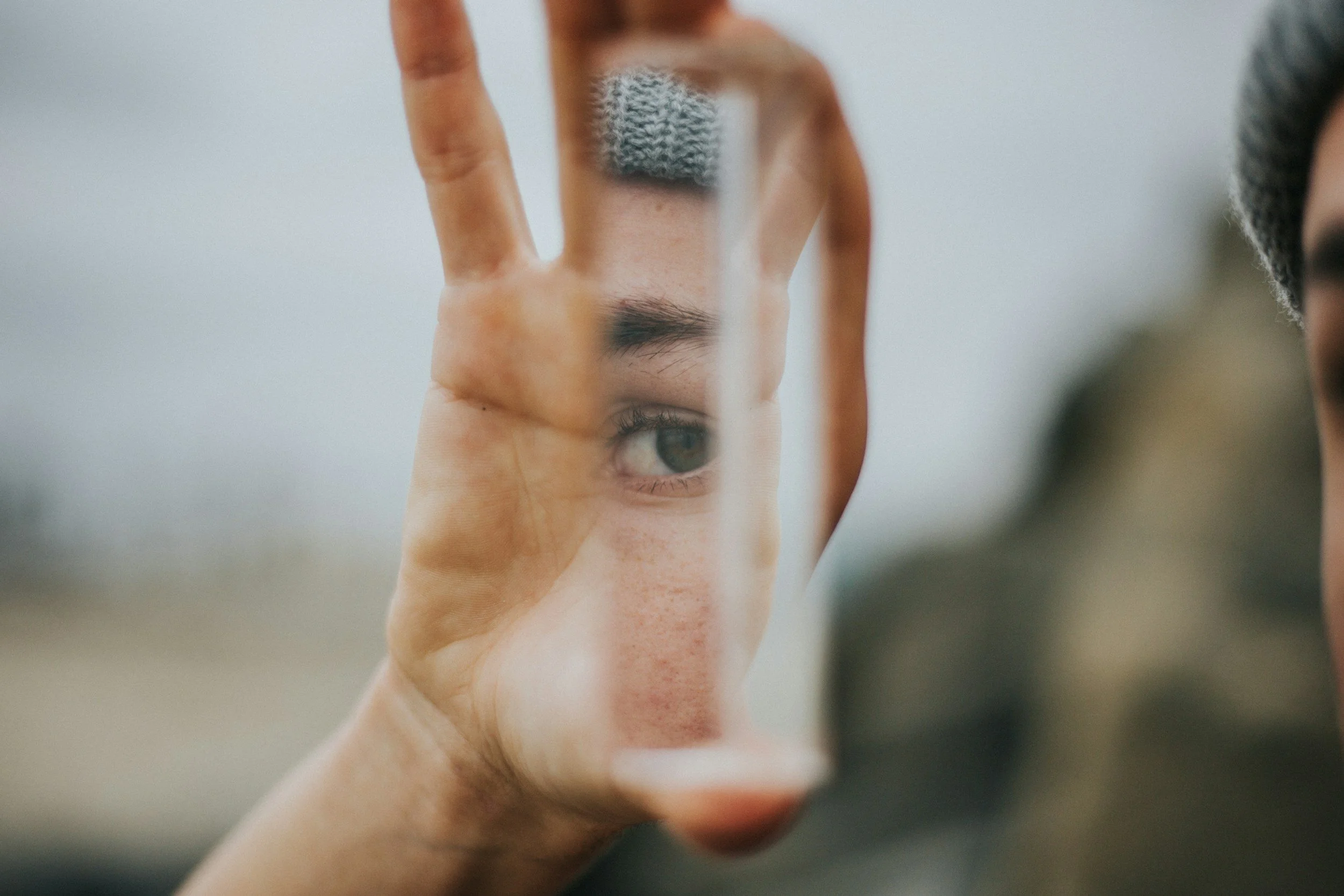
Sometimes we need to get a little quieter to hear what's really going on beneath the noise.
So, as we light our lamps this Diwali, perhaps it's worth shining a little light on the stories we carry.
Which ones help us grow - and help our children be liberated?
Which have taught us to make ourselves smaller?
And which are we ready to question, or perhaps leave behind?
Coming home isn't simply about returning to a place, a culture or a tradition.
It's about reconnecting with the parts of ourselves we may have spent years trying to leave behind.
So here’s my invitation:
Perhaps the light we're looking for isn't somewhere else.
Perhaps it begins when we stop seeing ourselves through someone else's eyes.
And when you stop doing that, you might find, like me…you like yourself - all of you (even the parts people don’t understand!)
A little self-love yoga practice:
Inhale for 3: Extend your arms wide to the sides, into the expansion of you. Hold.
Exhale for 5: Draw your arms in, draw your belly to your spine and give yourself a big hug! You deserve it!
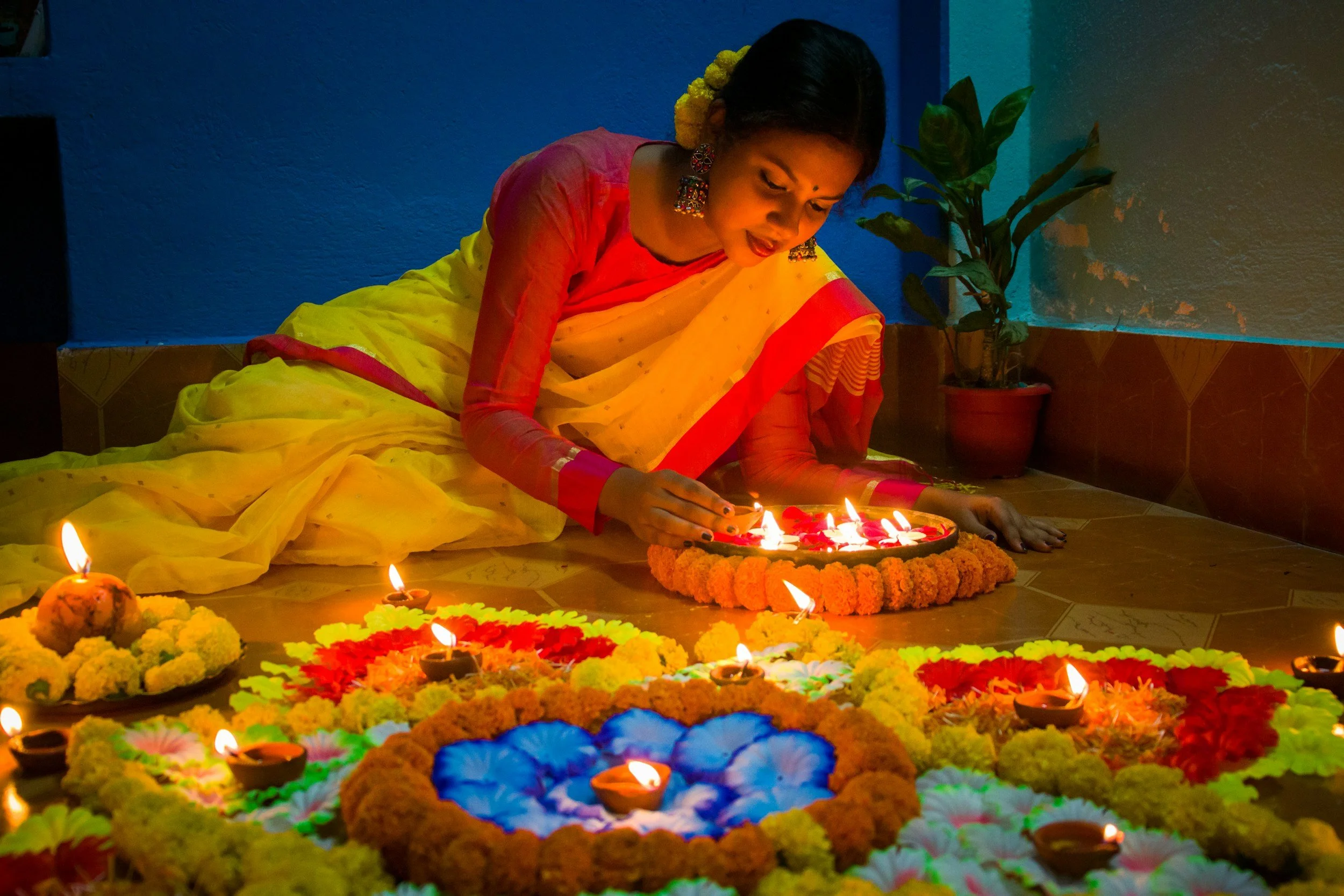
Wishing you a Diwali filled with light, connection, a little curiosity and the freedom to be entirely yourself.
May your own light guide you home!